
Fifteen Years Later, I Finally Brought My Story to Life with AI: Making SECONDHAND
林政賢 Zheng-Xian Lin ·
When I finally brought the visuals, music and sound effects together and watched SECONDHAND from beginning to end, my first thought was:
“I finally brought you to life.”
I first conceived this story and its script in 2011.
It stayed with me for fifteen years. Some images were vivid; some scenes I revisited again and again. Yet it never became an original sci-fi short that anyone could sit down and watch. Looking back, it had also been almost eight years since I last completed an original project of my own.
The Higgsfield Global Film Festival gave me a reason to return to that story.
I wanted to know if today's AI could let me finally bring those images that had been in my mind for a long time into reality.
So I began a production journey that I knew would involve repeated testing—and that kept revealing details I had not anticipated.
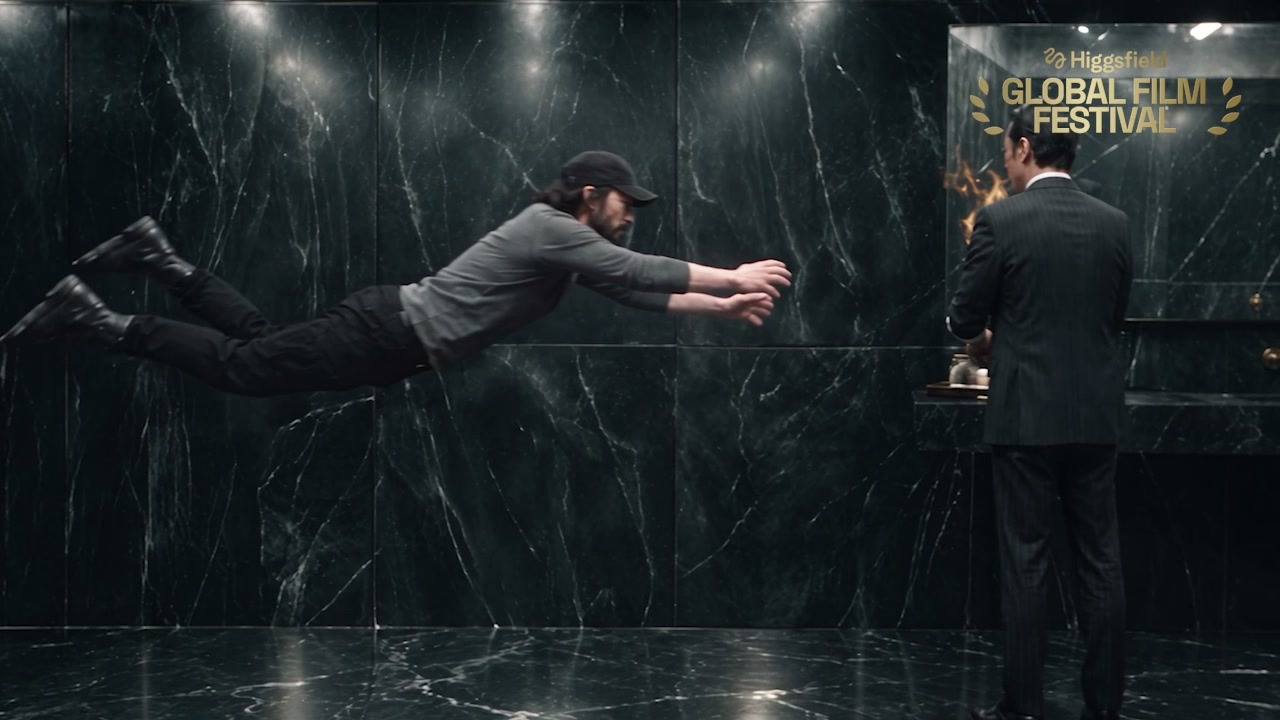
If the temptation just happens to look like what you most desire
SECONDHAND is an original sci-fi short running a little over five minutes. A traveler from the future returns to present-day Kaohsiung, hoping to stop a catastrophe before it begins.
He comes with a clear mission, knows how serious the situation is, and knows he cannot fail.
But when I wrote this story in 2011, what I cared most about was: Can a person really hold on to their determination?
Even with an iron resolve—even when you set out certain that nothing could shake you—can you still trust your judgment when smoke obscures the road ahead and temptation keeps seeping into your subconscious?
Especially when that temptation is exactly what you most want to find again.
The flickering lights and hazy golden smoke grew out of that idea. I wanted temptation to remain in the frame, even while the characters were busy doing something else.
It doesn't rush to convince you, it just needs you to slowly get used to its presence. Until a certain moment, you start to take what you want to see as the truth.
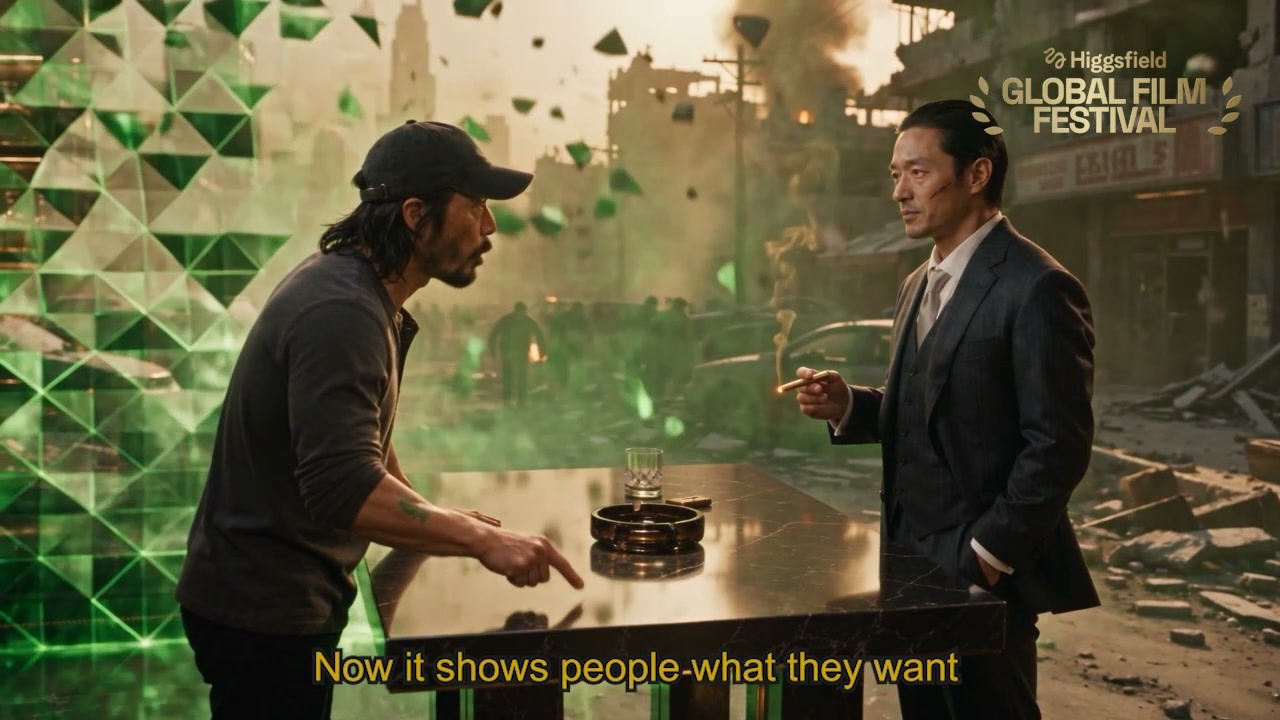

The repeating cycle of fate is another question running through the story.
Can the choices we make really change fate? Or are even the thoughts we want to resist already written into the story?
These questions, I want to leave to those who watch the short film.
From 'Cigar, Chip, Time Traveler' to SECONDHAND
The original name of this story was 'Cigar, Chip, Time Traveler'.
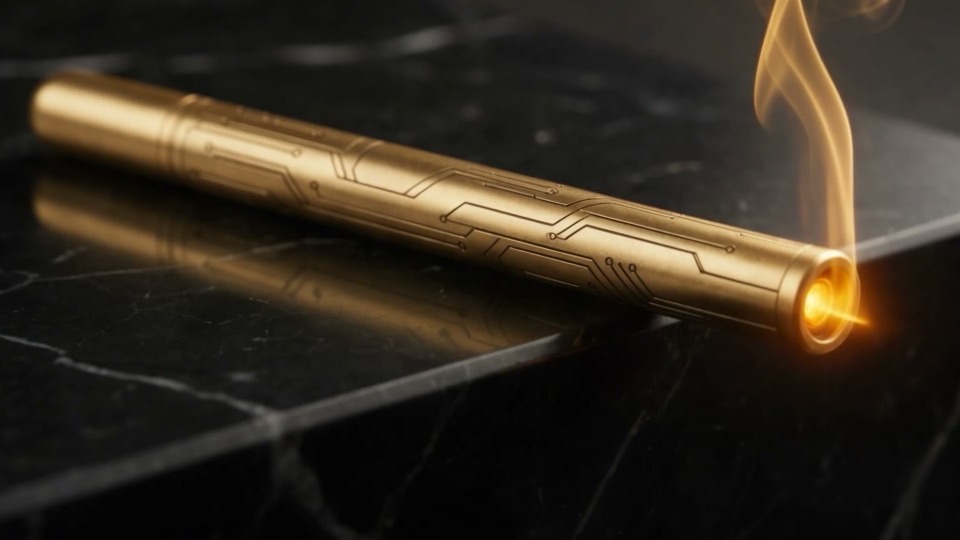
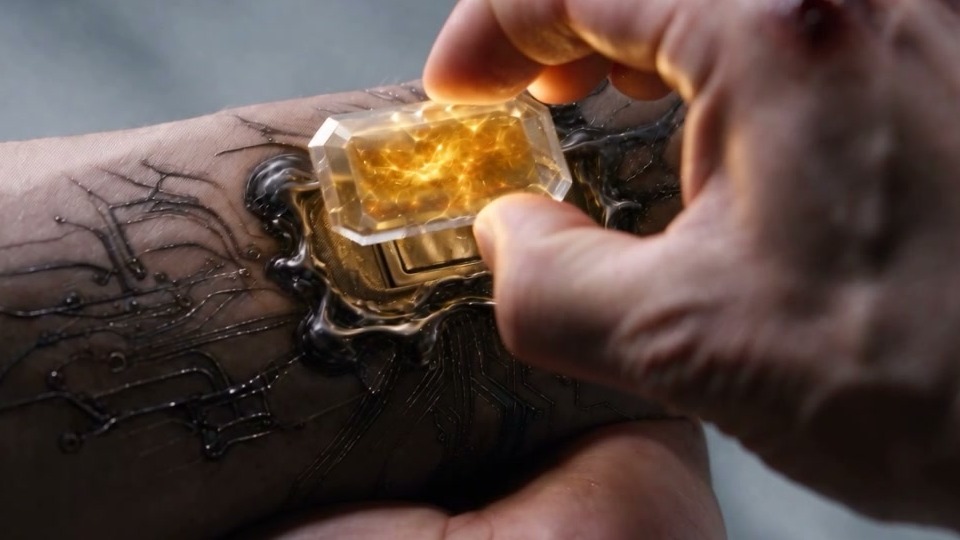
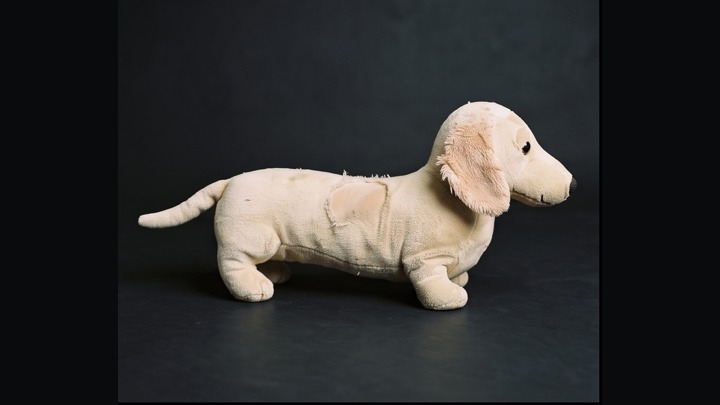
That name was direct, saying the most important elements of the story. But in the end, I chose SECONDHAND.
What I wanted to put into this name is 'taking over someone else's identity and fate'.
When we get a secondhand item, we don't just get its current appearance. It has been used, left traces, and carries a past that is not ours.
Then, what if what is taken over is a person's identity?
When you step into someone else's position, take over what they left behind, will you also gradually take over their unfinished fate? You think you are making new choices, but you might be continuing the path of another person.
For me, SECONDHAND places the central question of the story inside its title. It also connects to the cycle: when the story ends, will someone else take over that same position?
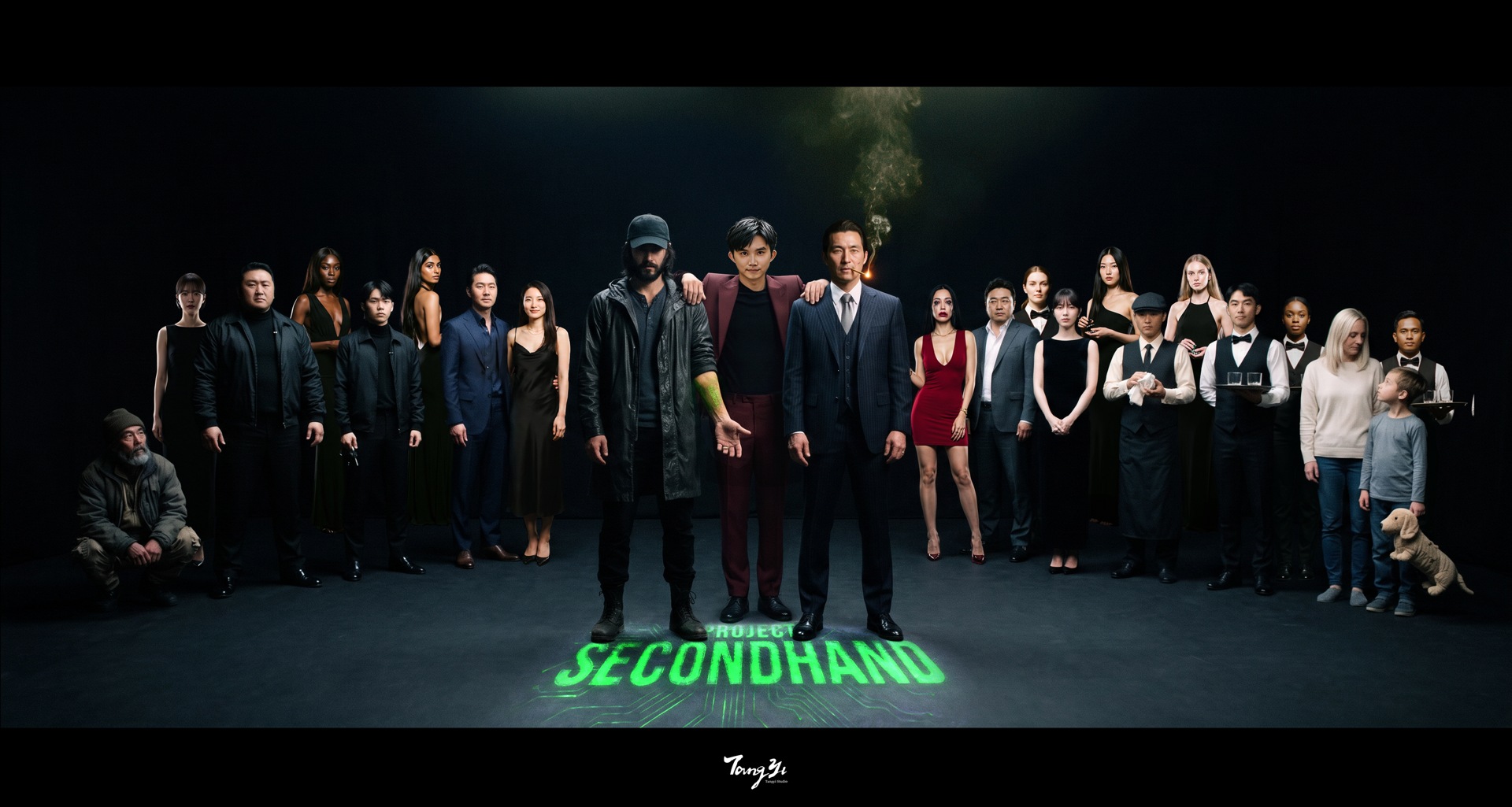
Generation Is Easier. Getting the Image in My Head Still Takes Work.
Now, the models have made AI video generation much simpler. When I started 'SECONDHAND', I believed the images I imagined could already be made; what needed verification was how to make them look like what I had in my mind.
There is still a gap between generating an image and generating one that tells my story precisely. Closing that gap takes testing.
Going through this production myself, I've actually become more confident: For me, there are now very few shots that I have to give up on because of technical limitations from the start. Some need to be approached differently, some need to be redesigned, but I'm increasingly convinced that imagination can find a way to materialize.
When I planned productions in the past, I usually estimated using a 1/10 to 1/5 ratio of material usage to allow for repeated testing and rework. Based on my own estimation of the material usage ratio, this time it's roughly 1/6; compared to my initial experience of about 1/10, this is already an improvement for me. This is my rough estimate of my production experience, not the official success rate of the model.
This improvement comes from my growing understanding of what needs to be addressed first, what conditions need to be clarified, and which details are worth spending an extra test on.
In this experience, the consistency of the character's face is already quite good. The hands themselves are no longer the most common issue I face.
What really took my time was the relationship between the hand and the object.
Is the camera seeing the inside or the outside of the same forearm? Which side holds the device? What is in the hand? After a movement, does the object remain where it belongs?
These things are very intuitive for people on the set, but when handed over to the generative model, they still need to be confirmed one by one. The number of objects, the hand they are in, the contact points, and the sequence of actions can all change within a few seconds.
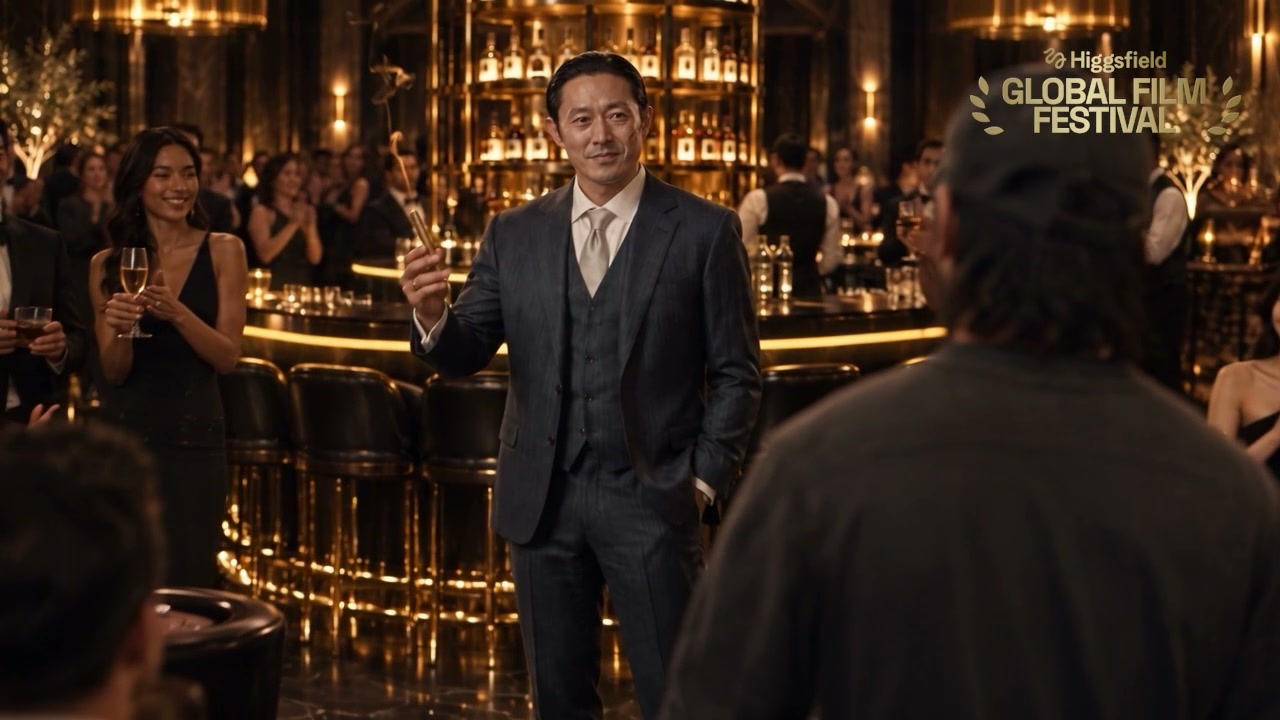
There are also those more subtle aspects that directly affect the story.
When someone finally spots the person they have been searching for, I want a flicker of recognition, followed by continued observation. The generated performance can instead turn into an exaggerated look of alarm.
A person hearing the truth about a disaster should feel heavy-hearted and uneasy, but the image might instead show a smile.
The character's emotions and actions must be accurate for the audience to understand the story I want to tell. I spent a lot of time dealing with these few seconds of difference.
Breaking down the actions, clarifying the gaze, and rethinking where the camera is and from which angle it's looking. Sometimes making a more accurate reference image can save some detours; sometimes adjusting the camera design makes it focus on doing one thing well.
I believe that as AI models improve, these details will also gradually improve, perhaps even faster than we imagine. The experience left from this time is that I already know which areas I need to pay special attention to under the current conditions.
To make the character move naturally, I took a long detour.
For this production, I also integrated Blender into the workflow, using 3D scenes and previsualization to plan the camera path, character positions, and spatial relationships.
I had seen people represent characters with simple blocks, then give those camera previews to a video model as a reference. I was skeptical.
Is that really enough?
I always felt that it could be done more thoroughly. Since we can build the scene, why not also make the character's skeleton, joints, and movements natural and smooth?
So, I spent a lot of time experimenting and even built my own Blender add-on: Tangyi Cam.
At first, being able to control the camera movement with a smartphone was really exciting. But soon I felt it wasn't enough and wanted to make the character's movements even more detailed.
But the character rig never became as fluid as I had hoped, while the time and resources kept adding up.
Eventually, I tried the approach I had doubted: simple blocks for positions and movement, with prompts handling expressions, physical detail and performance.
It actually worked.
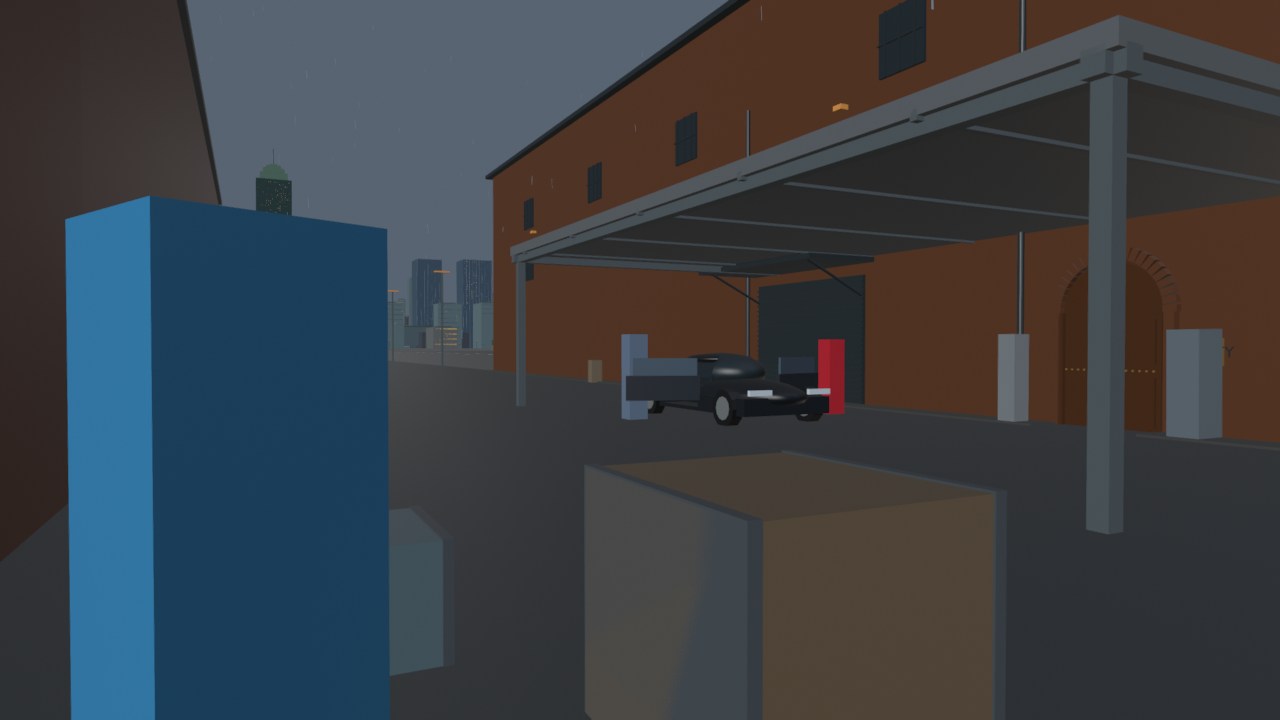
It did not work every time, but it gave me a useful division of labor: 3D previsualization handles camera movement and spatial relationships; prompts and character references shape the performance.
That long detour wasn't in vain. At least I tested it myself and knew which requirements were feasible under the current tool combinations and time conditions, and which still needed more preparation.
Tangyi Cam also has practical use. Once I have it more organized and adjusted, I plan to put it on Workshop.tangyi.mx, making it free and open-source for everyone to use.
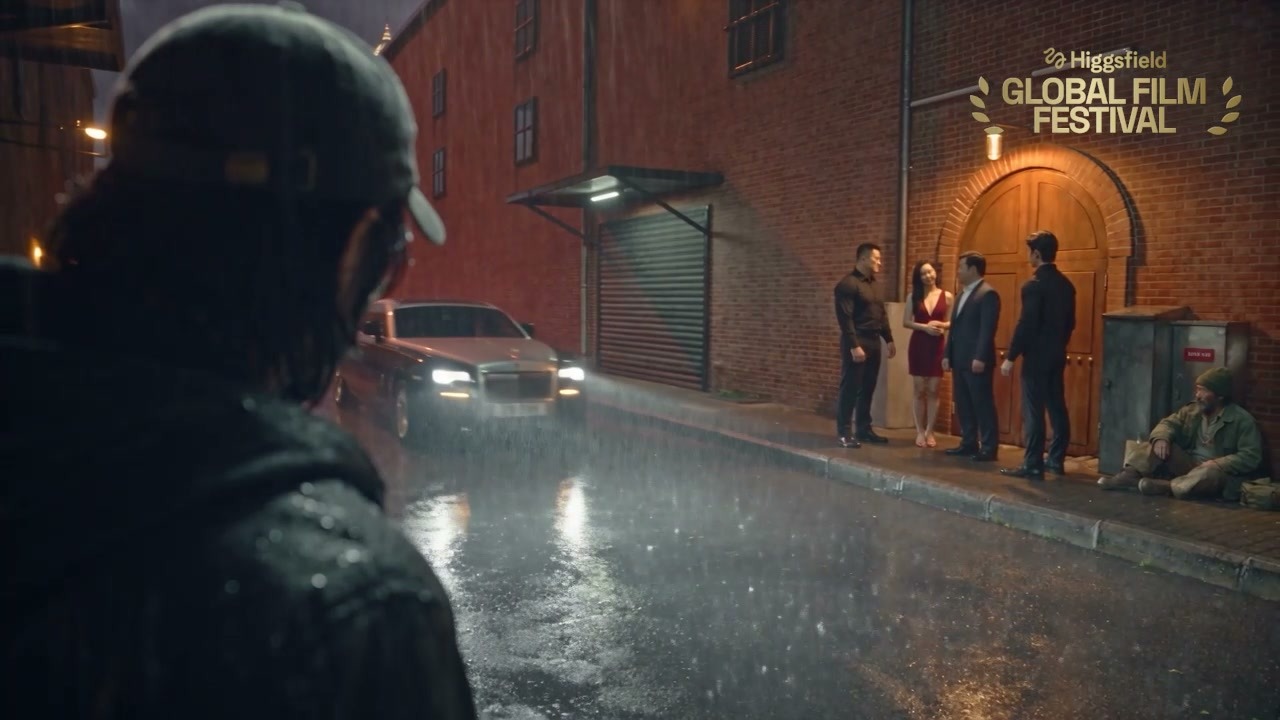
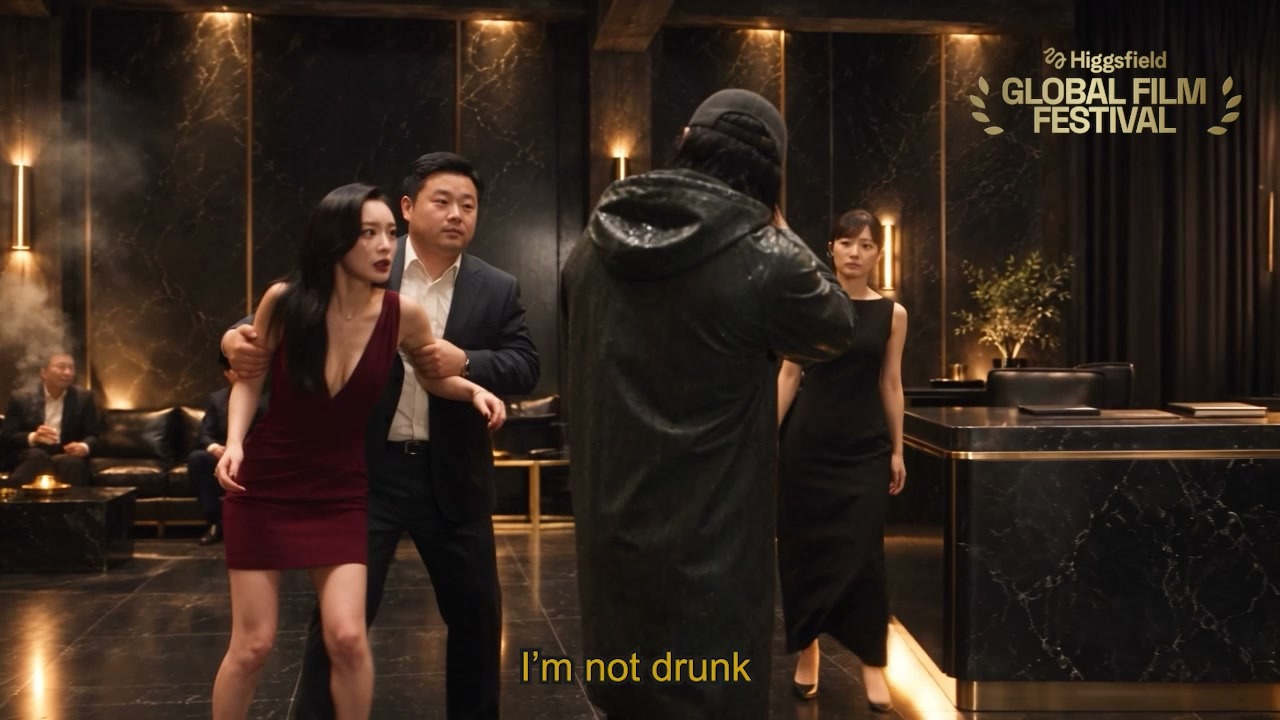
A Take Longer Than Fifty Seconds—with Invisible Edits Planned from the Start
Initially, I even wanted to make the entire five-minute short film look like a single continuous shot. The scene and camera path were planned with this idea in mind.
In particular, that long shot over fifty seconds, I knew from the beginning that it couldn't be completed with a single generation of Seedance 2.5. Segmented generation, then connecting them with invisible edits, was already my plan.
Editing was a method I had already prepared, so I left moments in the action design that could be connected.
I planned a breaking bottle so that splashes and a close foreground obstruction could hide an edit. I planned a wall of water filling the frame, followed by the mother and child running toward the camera. These moments serve the story while giving me places to join the next generated clip.
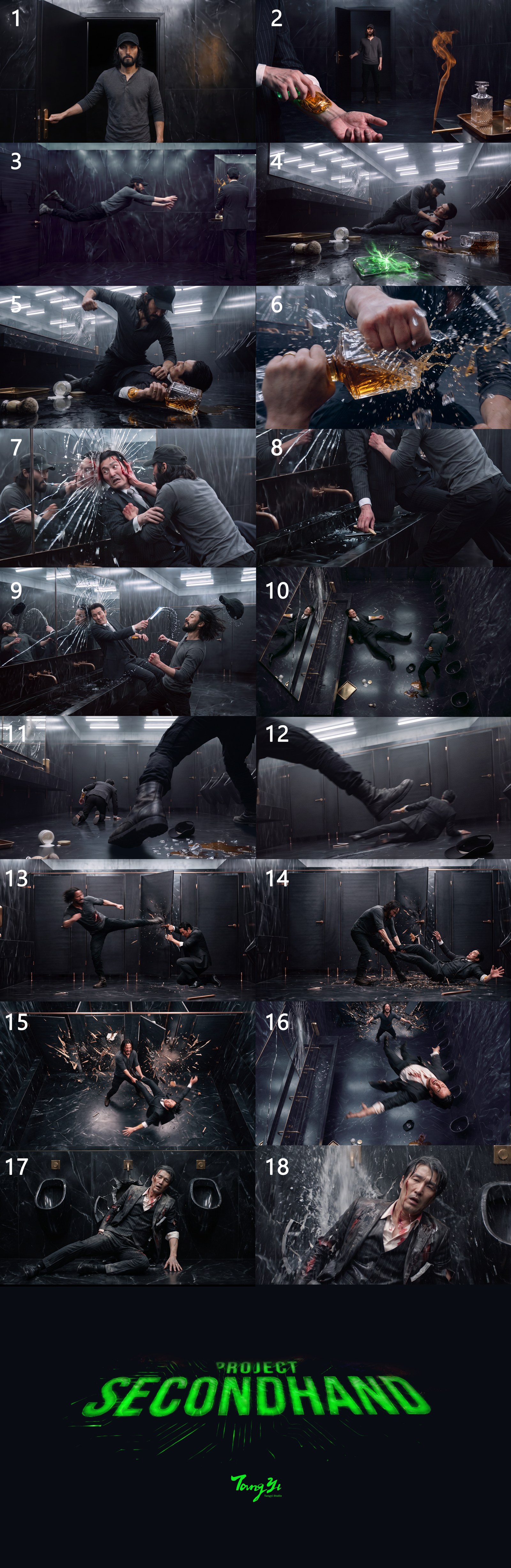
After actual production, I added a few more edit points. What needed repeated handling was making the generated material reach those predetermined positions while maintaining the action, props, and spatial relationship reasonably.
The characters must be in the right places, the action must match and the camera cannot suddenly change speed. Lighting, eyelines and props must carry through. Even when the last frame of one clip becomes the first frame of the next, the momentum of the action may not follow.
I spent more than 6,000 generation credits on this long-take sequence alone.
Thinking about this number, my first reaction is still: I really spent a lot of points.
But to say they were wasted is unfair. Each result made me clearer about how to test next: which actions cannot be squeezed into the same segment, which interactions need to be clearly stated, which angle to look at the inside or outside of the arm, and how to arrange the prop interactions.
Without those tests—which consumed more than 6,000 credits—the later stages probably would not have gone nearly as smoothly.
The final impression of a continuous take comes from multiple generated clips, planned visual obstructions and invisible edits. What I gained was a clearer understanding of how to generate usable footage—and where to leave myself options.
I wanted the audience to follow the character into that space and feel the events continuing to happen. For this feeling to be valid, the generation, camera movement, and editing had to be thought about together from the very beginning.
After the sound was added, the short film slowly began to breathe.
As the visuals gradually came together, I still felt something was missing.
It wasn't until the score and sound effects were added that many originally scattered shots began to share a common emotion.
I used Suno for the music and sound effects, trying different musical directions. An overly heroic score pushed the emotion too far; ambience and effects alone left me wanting a memorable melody.
I wanted the music to have an electronic and sci-fi texture, while also preserving the character's hesitation, longing, and anxiety.
My favorite musical passage begins when the bearded man returns from the final, beautiful illusion. I follow that with a simulated dolly zoom, then his dragging the cigar man into a restroom stall. The music carries the emotion from his face into the next action. This is one passage I especially want you to watch with the sound on.
Even the brief black screens deliberately arranged in the film were accompanied by sound effects. I combined the flickering lights, the interruption of the image, and the sound together, letting them participate in the rhythm and become part of this unstable world.
Some things are not easy to understand by looking at a single frame; only by watching them continuously and listening together can you feel their intention.
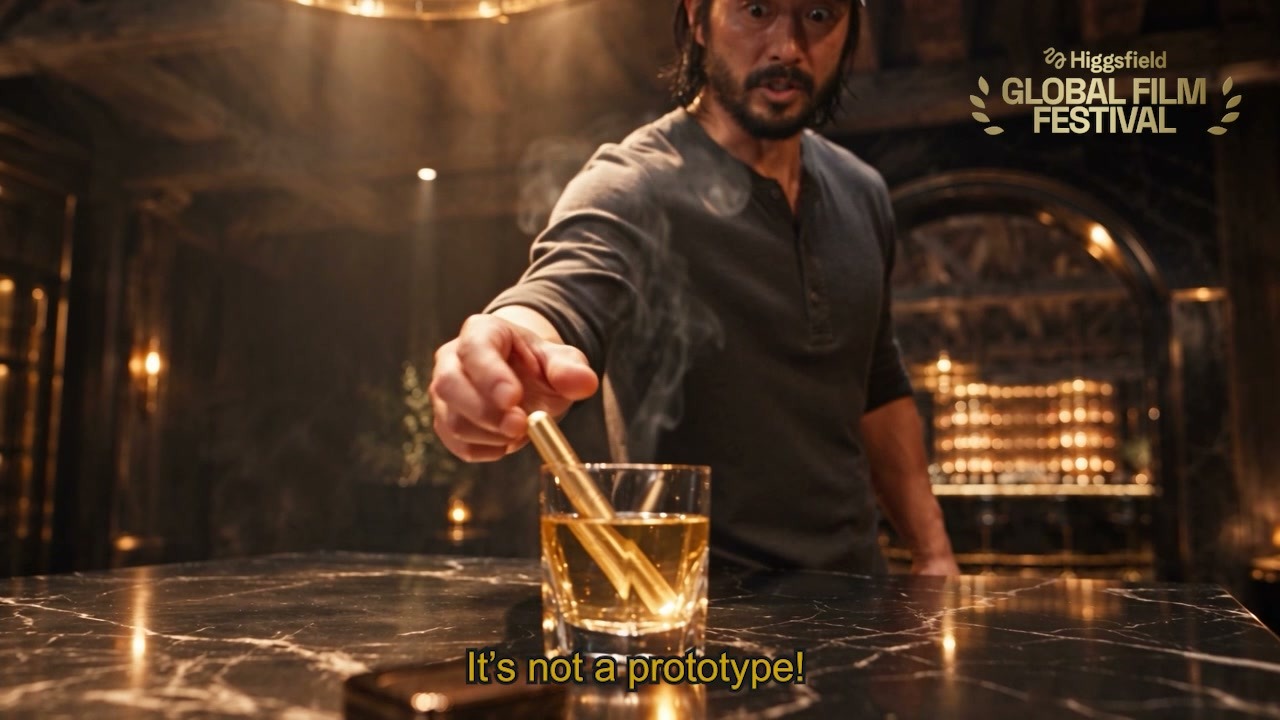
A Workflow I Have Now Taken from Beginning to End
The production of 'SECONDHAND' used these tools:
- Seedance 2.5: Video generation.
- GPT 2.5: Storyboarding and reference image generation.
- Photoshop: Storyboard creation, compositing, and organization.
- Blender: 3D scenes and camera previsualization.
- Adobe Premiere Pro: Video editing, invisible edit points, and audio-visual integration.
- Claude+GPT-6 Astra: Script discussion, organization, and adjustment.
- Suno: Score and sound effect generation.
Finally, I completed the editing in Premiere, integrating the visuals, score, and sound effects into a complete story.
There were many failures in the process, but also a lot of accumulated judgment.
Now, when facing a shot, I know better what references to prepare first, how to describe the camera, how to break down the action, and when to stop repeatedly generating and instead solve it through editing or shot design.
This has made me more skilled in AI film production and more eager to exchange with other creators about the actual problems we face.
Next, I will gradually break down and share: the development of Tangyi Cam, the experiments with block previsualization, the techniques for long takes, and the actions and object details that gradually became clear through repeated testing.
If you are also making AI films, or have related film and television production and creation needs, feel free to come and chat with me.
Under NT$50,000 Changed My Sense of What I Could Make
I completed SECONDHAND for less than NT$50,000 in out-of-pocket costs. My own writing and production time was a separate, substantial investment.
Fifteen years ago, I even considered renting a warehouse and building the restroom and bar inside it. Locations, sets and extras alone would have presented a major financial barrier, before cinematography, lighting, stunt work and post-production.
In my head, that meant a production budget of hundreds of thousands, perhaps millions of New Taiwan dollars. That was not a formal quote I had received; it was the budget pressure I felt whenever I considered bringing this story to the screen.
Now, the same story can finally be completed within my affordable range.
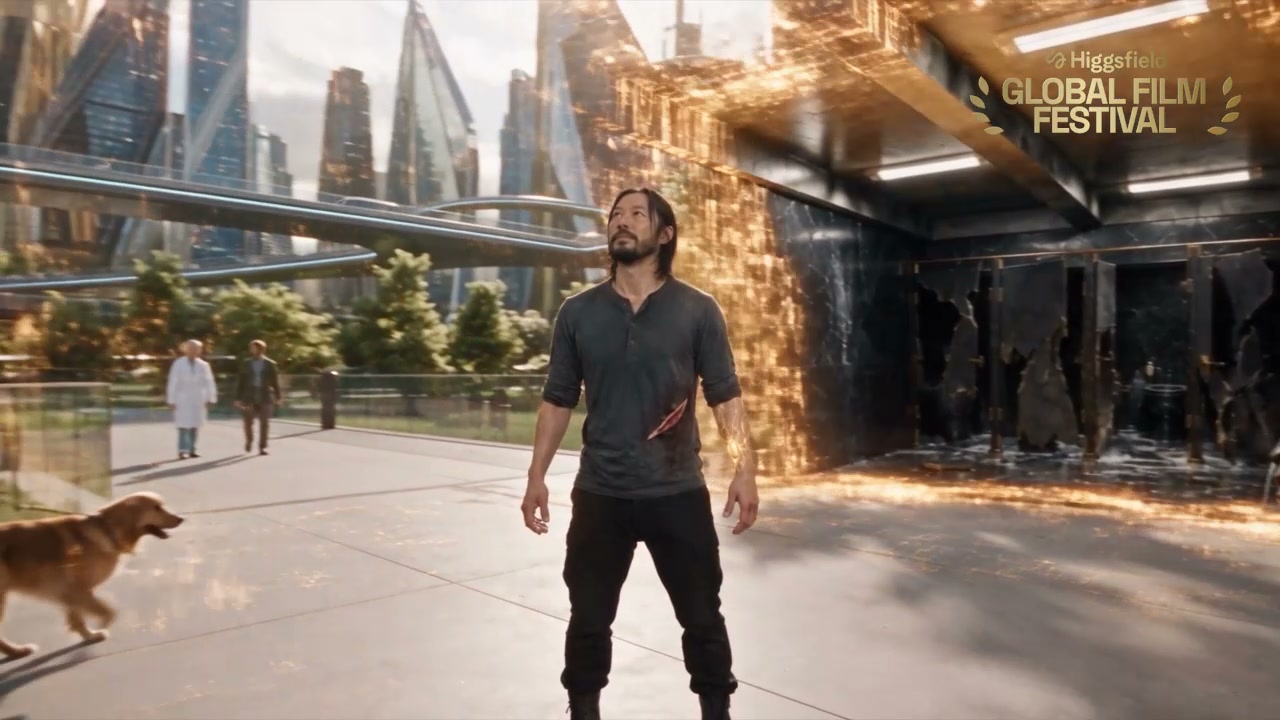
There are many special props, tech effects, scene changes, and fight scenes in 'SECONDHAND', so testing was also extensive. If it were a love story with a more concentrated setting and fewer props, based on this experience, I would expect to be able to reduce the cost by half. Of course, it still depends on how much the creator wants to pursue.
For me, the real change is that a person now has the ability to complete the scale of images that used to require a large crew to present.
For these generated fight scenes, no performer had to hit a door. These virtual actions did not require an on-set stunt coordinator or medical crew, and no broken prop could injure an actor. The physical risks of filming those particular actions simply did not arise.
Looking at the character's emotions, lighting, cinematography, camera movement, and set design, the progress is also very noticeable. Thinking about that early online AI Will Smith eating noodles video that was impressive, even a bit scary, and then looking at the images we can create today, it's hard not to wonder: where will film and television creation be in three or five years?
I believe the way of production, team division, and who has the opportunity to make a story will all change greatly.
When Content Is Everywhere, What Makes Someone Stop and Watch?
Moreover, I think the threshold for making film and television works will only continue to decrease.
Some creators have already used the MiniMax H3 Max in interactive narrative experiments: the audience watches while voting on the next step of the story, and the system generates the subsequent branches while playing the current clip. THIS WAY shared by Henry Daubrez is such a case. It is still an experiment and has continuity issues, but it already shows that watching and creating can happen in the same experience.
Thinking about this, I started to think about another question: when more and more people can create beautiful images, even allowing stories to continue growing according to the audience's choices, how much will the amount of content increase?
I expect it to be explosive growth. But the time people can spend watching will not increase accordingly.
Therefore, marketing will become a more important task for creators: how to make the work visible, and how to make people want to stay.
Who stops for the cover? Does the trailer make people want to know what happens next? Who is the story told to? After watching, is there a sentence or an emotion that makes them want to share it with others? These will directly affect whether the work can find an audience.
Story, aesthetics, and personal perspectives are therefore more important. When everyone can access powerful tools, I need to be clearer about why I made this work, and why others should spend time watching it.
This is also why I want to write this making-of. Besides showing the visuals, I also want you to know where this story comes from, why I insisted on those details, and what I learned in each test.
Fifteen years ago, I often thought: when will I have the conditions to shoot this story? Now, I can finally ask: how to get it to those who care about this story?
Among Entries from Around the World, I Still Believe in This Work
During the submission period, I saw entries from all over the world, and the number has already exceeded 6,800 works. This is the number I saw at the time, not the final total number of works reviewed by the organizers.
I also saw a participant report spending more than 400,000 generation credits. That was the highest figure I personally saw; others may have spent more.
For SECONDHAND, I used 13,324 Higgsfield credits—roughly thirteen thousand.
The 'points' here are the credits used by the Higgsfield platform to calculate generation usage, not equivalent to New Taiwan Dollars, and cannot be converted at 1 point = 1 NT$. It only represents the generation usage I have made on this platform, not the total cost of the entire work including other tools, working hours, and post-production. Different people have different tools, generation conditions, and production scales, and the points themselves cannot directly compare the quality of the works.
Seeing these investments, I can feel more deeply how serious everyone is in this competition.
And I still have enormous confidence in my own work.
Because these five minutes hold a story I have wanted to tell since 2011. The character’s hesitation, the persistent golden smoke, the flickering lights and that final return to the question of fate—every choice has a reason.
The result has not been announced yet. I have done my best to make this story into an original sci-fi short film that can be seen and felt. Now, let the work meet the creators from all over the world.
SECONDHAND has been officially submitted. It still has imperfections, but when I see the characters I wrote fifteen years ago finally walking and making choices on the screen, I still feel this journey is worth it.
Thank you to all the friends who have given me resources, advice, and support.
If you have already reached here, I would like to invite you to open my Higgsfield project page.
This article is just a small part of the production process. All my generated clips are organized on the project page, including successful and failed versions, storyboarding prompts, and 3D camera previsualization clips. You can watch the complete short film, or go back and see how these images were tested step by step.
Especially if you are also making AI films, feel free to look through those tests: some errors you may have encountered, and some transitions might become the starting point for your next creation.
Put on your headphones, spend a little over five minutes with this story, then explore how it was made. Afterward, I would love to hear your answer:
Did he change his fate—or fulfill it?
Production Credits
《SECONDHAND》|Tangyi Studio Production
Zheng-Xian Lin
Creator, Writer, Director, Producer & Editor
Original concept, screenplay, AI generation, 3D camera previsualization, visual production and editing.
Ping-Chen Chiang
Production Sponsor & Consultant
Yann-Yean Su
Creative Consultant
Wen-Lin Xu
Screenplay Assistance
Special Thanks
Ping-Chen Chiang
Yann-Yean Su
Li-Chen Tai
Xun-xi Lee
Author:林政賢(Director · Gen AI creator & engineer · Founder of TangYi Studio)